
How Pesticide Exposure Affects Your Heart Health in Savannah
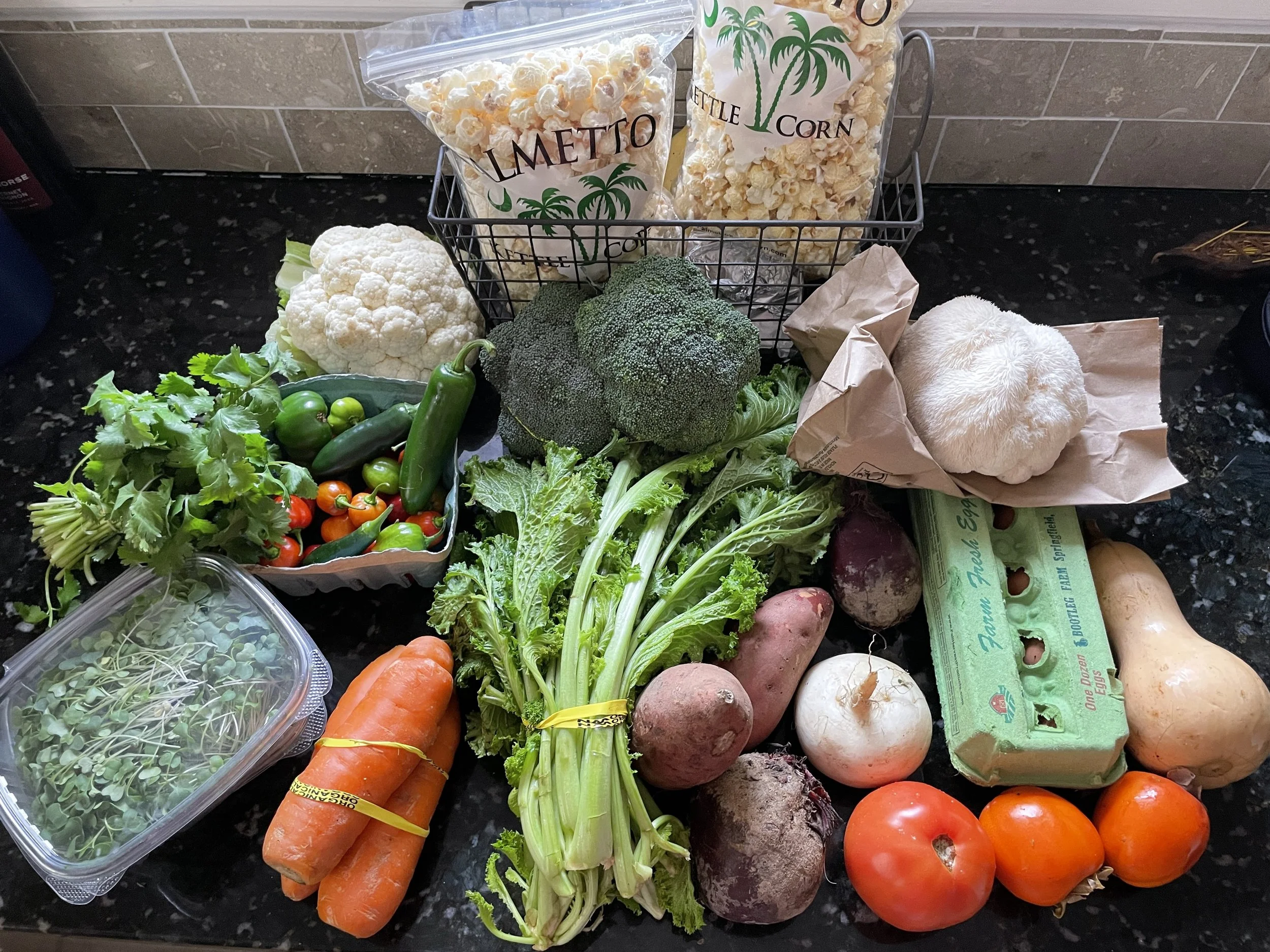
If you are working to manage your blood pressure, blood sugar, or weight, you have probably heard about eating more vegetables and exercising regularly. Another factor that could be quietly affecting heart and metabolic health that rarely gets mentioned is pesticide exposure.
New research reveals that pesticides, which are the chemicals used to kill insects, weeds, and fungi on crops and in our homes, don’t disappear after they do their job. They end up in our bodies, where they can disrupt the systems that regulate metabolism, blood sugar, cholesterol, and blood pressure. For communities in Savannah and across Georgia, where agriculture is central to our economy and cardiometabolic diseases like diabetes and heart disease are already major challenges, understanding this connection matters.
The Pesticide-Heart Disease Connection
A 2025 analysis of over 12,000 U.S. adults found that people with higher pesticide levels had worse cardiovascular health and higher cardiometabolic risk, even after accounting for diet and exercise (He et al., 2025). A 2022 systematic review confirmed that pesticide exposure is associated with hypertension, atherosclerosis, heart attacks, and strokes (Zago et al., 2022). A 2024 study found that household pesticide use, like bug sprays, foggers, and lawn treatments, is associated with a 40% higher risk of dying from cardiovascular disease (Zhao et al., 2024).
Here in Georgia, a 2022 study of Hispanic agricultural workers reported elevated rates of hypertension, impaired blood sugar, and obesity in populations with high pesticide use (Chicas et al., 2022). An Emory University study in Brunswick found that 20-40% of residents had pesticide levels above the national 95th percentile, with higher levels in older and Black residents.
How Pesticides Harm Your Heart and Metabolism
Pesticides disrupt our metabolic system by throwing off the balance of several processes.
Endocrine Disruption: Many pesticides block hormones involved in fat and sugar metabolism. Your body may store more fat, become less responsive to insulin, and develop problematic cholesterol patterns.
Inflammation: Pesticides trigger chronic inflammation that damages blood vessel linings, accelerating atherosclerosis and heart disease (Zago et al., 2022).
Oxidative Stress: Pesticides generate reactive oxygen species that damage cells and blood vessels, impairing the regulation of blood sugar and blood pressure (Shekhar et al., 2024).
Metabolic Disruption: Pesticide exposure is linked to insulin resistance, setting the stage for weight gain, high blood sugar, and type 2 diabetes (Wu et al., 2025).
Who is Most at Risk?
People who are Black, Latino, or living on low incomes are more likely to live and work in places with higher pesticide use (Taiba et al., 2025). Agricultural workers, landscapers, those living near farmland, and families that rely on conventional produce face higher exposure.
Practical Steps to Reduce Pesticide Exposure
Food Choices
Wash Thoroughly: Rinse all produce under running water and scrub firm items. This removes surface residues.
Choose Organic: If budget allows, prioritize organic for Georgia's highest-residue crops: strawberries, peaches, leafy greens, apples, grapes, and blueberries. For lower-residue items like onions, cabbage, and sweet potatoes, conventional is okay.
Eat a Variety: Do not rely on the same few fruits and vegetables. Diversity dilutes exposure to any single pesticide.
Shop Local: Many small Georgia farmers use reduced-pesticide practices even without organic certification.
Grow your Own: Containers of tomatoes, peppers, or herbs give you pesticide-free produce. Community gardens in Savannah offer affordable plot access.
Home Pesticide Use
Bug Sprays: Instead, use bait traps, keep food sealed, and remove standing water.
Yard Care: Mow regularly, pull weeds by hand, use mulch, and spot-treat only when necessary.
Support Your Body
Fiber-Rich Foods: Beans, oats, brown rice, collard greens, and sweet potatoes support gut health, helping metabolize and eliminate chemicals while reducing inflammation.
Antioxidant-Rich Foods: Berries, leafy greens, orange vegetables, pecans, and nuts provide vitamins C and E that combat oxidative stress and protect blood vessels (Warner et al., 2025).
Omega-3 Fatty Acids: Fatty fish, canned sardines, flaxseeds, and walnuts dampen inflammation and improve insulin sensitivity.
Pesticides contribute to the rising heart disease, diabetes, and obesity that already affect too many people in Savannah. We can reduce exposure through food choices, pest control, and nutrition that support our bodies' defenses.
Small daily changes can accumulate to protect your heart and metabolic health, benefiting both you and your family.
References
Chicas, R. C., Elon, L., Houser, M. C., Mutic, A., Gallegos, E. I., Smith, D. J., Modly, L., Xiuhtecutli, N., Hertzberg, V. S., Flocks, J., Sands, J. M., & McCauley, L. (2022). The health status of Hispanic agricultural workers in Georgia and Florida. Journal of Immigrant and Minority Health, 24(5), 1129–1136. https://doi.org/10.1007/s10903-021-01326-0
He, J., Wang, H., & Li, X. (2025). Pesticide exposure and cardiovascular health in non-CVD mortality population: Novel evidence from NHANES 2007-2018 using Life's Essential 8. Frontiers in Nutrition, 12, Article 1578796. https://doi.org/10.3389/fnut.2025.1578796
Shekhar, C., Khosya, R., Thakur, K., Mahajan, D., Kumar, R., Kumar, S., & Sharma, A. K. (2024). A systematic review of pesticide exposure, associated risks, and long-term human health impacts. Toxicology Reports, 13, Article 101840. https://doi.org/10.1016/j.toxrep.2024.101840
Taiba, J., Beseler, C., Kolok, A., Zahid, M., Bartelt-Hunt, S., & Rogan, E. (2025). Risk-based mapping of pesticide usage and social vulnerability in the contiguous United States. BMC Public Health, 26(1), Article 225. https://doi.org/10.1186/s12889-025-25277-5
Warner, M., Rauch, S., Eskenazi, B., Calderon, L., Gunier, R. B., Kogut, K., Holland, N., Guo, W., Deardorff, J., & Torres, J. M. (2025). Persistent organochlorine pesticides and cardiometabolic outcomes among middle-aged Latina women in a California agricultural community: The CHAMACOS Maternal Cognition Study. Environment International, 196, Article 109302. https://doi.org/10.1016/j.envint.2025.109302
Wu, X., Wei, D., Zhou, Y., Cao, Q., Han, G., Han, E., Chen, Z., Guo, Y., Huo, W., Wang, C., Huang, S., Zeng, X., Wang, X., & Mao, Z. (2025). Pesticide exposures and 10-year atherosclerotic cardiovascular disease risk: Integrated epidemiological and bioinformatics analysis. Journal of Hazardous Materials, 485, Article 136835. https://doi.org/10.1016/j.jhazmat.2024.136835
Zago, A. M., Faria, N. M. X., Fávero, J. L., Meucci, R. D., Woskie, S., & Fassa, A. G. (2022). Pesticide exposure and risk of cardiovascular disease: A systematic review. Global Public Health, 17(12), 3944–3966. https://doi.org/10.1080/17441692.2020.1808693
Zhao, X., Li, J., Liu, Y., Liu, Y., Jiang, X., Long, L., Wang, J., Yao, Y., Zhang, Q., Li, M., Li, X., Zhang, B., & Liao, J. (2024). A prospective cohort study of exposure to household pesticide with cardiovascular diseases mortality in older adults. Journal of Hazardous Materials, 471, Article 134316. https://doi.org/10.1016/j.jhazmat.2024.134316
